 Cart is empty
Hypertension — persistently high blood pressure — has quietly become one of Ghana’s most pressing public health challenges. Once thought of as a disease of older age, it is now showing up earlier and earlier in life, including among teenagers and young adults. What was once rare in a “youthful” population is becoming disturbingly common, and the trend deserves urgent national attention.
What the Data Says
The numbers tell a clear story of an accelerating epidemic:
- Hypertension has grown dramatically over a generation. The Ghana Ministry of Health has reported that close to 50% of Ghanaian adults now live with hypertension, up from less than 5% a generation ago — a tenfold increase in prevalence within a few decades.
- A large-scale meta-analysis pooling over 45,000 participants across dozens of Ghanaian studies found an overall hypertension prevalence of about 30.3%, with rates higher among men (34.0%) than women (30.1%), and notably higher in urban areas than rural ones.
- A separate systematic review and meta-analysis covering 82,045 people put the pooled prevalence at 27%, nearly double in coastal and urbanizing zones compared to more rural northern areas — reflecting how lifestyle and urbanization are driving the trend.
- Youth are no longer exempt. A study of adolescents in two Ghanaian districts found an overall high blood pressure prevalence of 11.6% among young people. Another study focused on urban poor youth in Accra found that 32.3% had pre-hypertension and 4% already had full hypertension — with rates markedly worse among males (6.8%) and those who were physically inactive (84.1% of the sampled youth reported little to no physical activity).
- Awareness and control remain low across all ages. National survey data show that among Ghanaians with hypertension, only about 45.6% were aware of their condition, just 40.5% were receiving any treatment, and a mere 23.8% had their blood pressure adequately controlled. This “awareness gap” is especially dangerous for young people, who are unlikely to be screened at all unless they seek care for another reason.
Taken together, these figures show a shift: hypertension in Ghana is no longer a condition that develops gradually in old age. It is increasingly seeded early, often silently, in adolescence and early adulthood.
Why Is This Happening, Especially Among the Youth?
Several converging factors explain the rising numbers among younger Ghanaians:
- Urbanization and lifestyle change. As more people — especially youth — move to cities, diets have shifted toward processed, salty, and energy-dense foods, while daily physical activity has declined.
- Physical inactivity. Studies of urban youth in Accra found the overwhelming majority were not meeting recommended activity levels, with sedentary lifestyles strongly linked to higher blood pressure and rising body mass index (BMI).
- Rising obesity and overweight. BMI has been shown to be positively and significantly associated with systolic blood pressure among Ghanaian youth, meaning weight gain during adolescence is translating directly into elevated blood pressure readings.
- Socioeconomic and behavioral factors. Research has linked hypertension risk in young people to factors such as relationship status, phone ownership (a proxy for more sedentary, screen-based lifestyles), and district of residence — pointing to broader social and environmental influences beyond biology alone.
- Low awareness and infrequent screening. Because hypertension has no obvious symptoms in its early stages, and because routine blood pressure screening is not standard practice for young, seemingly healthy Ghanaians, many cases go undetected until complications arise.
Why This Trend Matters
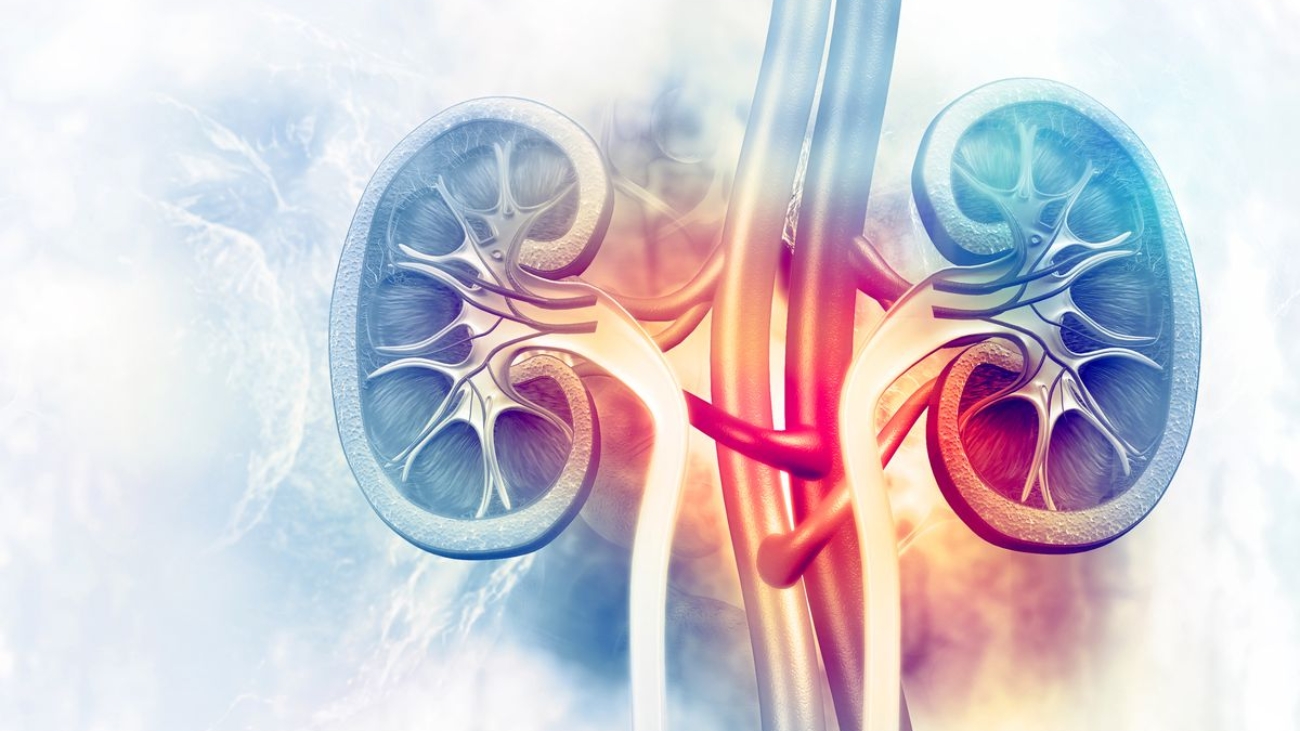
Hypertension is often called a “silent killer” because it can quietly damage the heart, kidneys, brain, and blood vessels for years before symptoms appear. When it takes root in youth, the cumulative exposure to high blood pressure over a lifetime dramatically raises the risk of stroke, heart disease, and kidney failure — often at a much younger age than in previous generations. This threatens not only individual health but also Ghana’s healthcare system and workforce productivity, as more people face chronic illness earlier in their working lives.
Public health researchers have also flagged that Ghana’s rural-urban gap in hypertension prevalence is narrowing — meaning the disease is no longer confined to affluent, urban lifestyles but is spreading more broadly across the population.
Prevention and Control: What Can Be Done
The encouraging news is that hypertension is highly preventable and manageable when addressed early. Evidence from Ghanaian studies points to several effective strategies:
At the individual level
- Get regular blood pressure checks, even without symptoms — awareness is the first and most critical step, given how many cases currently go undetected.
- Stay physically active. Research among hypertensive patients in urban Accra found that even 30 minutes to an hour of physical activity was strongly associated with better blood pressure control, and more than an hour showed an even stronger effect.
- Adopt a heart-healthy diet. Increased intake of fruits and vegetables, and reduced consumption of starch, red meat, fat, and salt, were linked to significantly better blood pressure outcomes in Ghanaian patients.
- Limit alcohol and avoid smoking or tobacco use, both established modifiable risk factors for hypertension.
- Maintain a healthy weight, given the strong link between BMI and blood pressure observed in Ghanaian youth.
At the health system and policy level
- Community-based screening programs, such as the Community-based Hypertension Improvement Project (ComHIP), have brought blood pressure checks directly into neighborhoods, workplaces, and shops in parts of Ghana — an approach that could be expanded, especially to reach youth who rarely visit health facilities.
- Task-shifting to nurses and community health workers. A cluster-randomized trial in Ghana found that a nurse-led hypertension control strategy, combining cardiovascular risk counseling with medication management, produced significantly greater blood pressure reduction than health insurance coverage alone — a cost-effective model for scaling up care.
- Stronger national guidelines and workforce investment. Ghana has developed National Guidelines for the Management of Cardiovascular Diseases, but researchers note the country still faces a shortage of cardiologists and gaps in rural healthcare access that limit consistent follow-up care.
- School and youth-focused health education. Given how early risk factors like inactivity and poor diet take hold, integrating blood pressure awareness and healthy lifestyle education into schools and youth programs could help interrupt the trend before it becomes entrenched.
Conclusion
Hypertension in Ghana is no longer just a disease of aging — it is increasingly a disease of youth, driven by changing diets, inactivity, rising obesity, and low awareness. The data is clear that the country is facing a rising tide, but it is equally clear that the tools to prevent and control it — regular screening, healthier lifestyles, and stronger community health systems — are well understood and already showing results where they’ve been tried. The task now is to reach young Ghanaians earlier, before silent risk becomes a lifelong burden.