WhatsApp Image 2026-09-08 at 13.36.44

Royal Dach Pharmaceuticals Celebrates 6 Years of Excellence at Beracah House

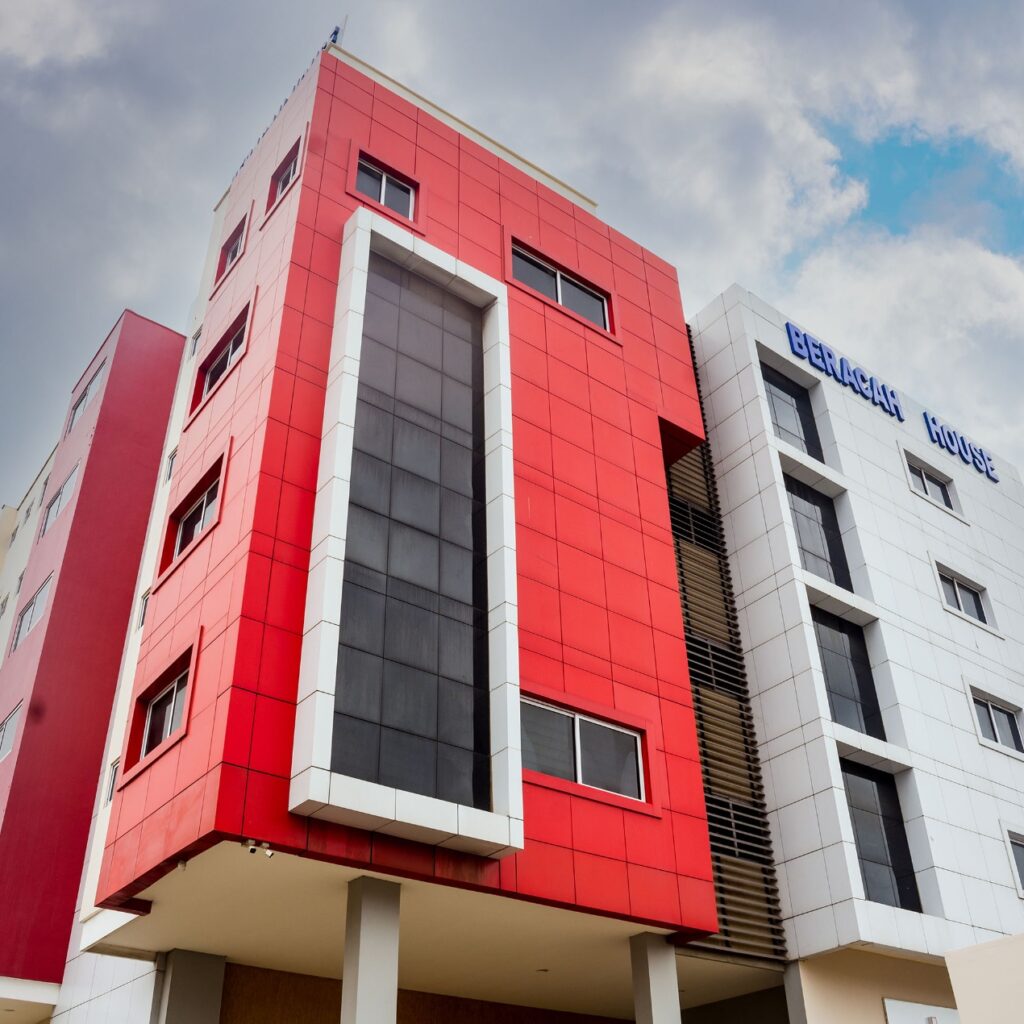
Six years ago, Royal Dach Pharmaceuticals began its journey at Beracah House, establishing a home from which it would build a growing presence within Ghana’s pharmaceutical and healthcare landscape.

Today, as the company marks six years at Beracah House, the milestone represents far more than the passage of time. It is a celebration of resilience, growth, professional service, strategic partnerships and, importantly, a commitment to making a meaningful difference in the communities within which the company operates.

From its core pharmaceutical operations to its growing involvement in social development, education, sports, talent development and community initiatives, Royal Dach Pharmaceuticals has continued to demonstrate that business success and social responsibility can work hand in hand.

Six Years of Building a Stronger Pharmaceutical Business

Royal Dach Pharmaceuticals has established itself as a wholesale pharmaceutical products dealer, serving as an important link between pharmaceutical manufacturers, healthcare businesses and other stakeholders within the healthcare supply chain.

The company’s operational scope is centred on the supply and distribution of pharmaceutical products, with an emphasis on reliability, accessibility, professional service and strong business relationships.

Over the past six years, Royal Dach has continued to strengthen its operational capacity while building relationships with stakeholders across the pharmaceutical and healthcare ecosystem.

Its activities encompass areas including:

  1. Wholesale distribution of pharmaceutical products
    2. Pharmaceutical supply and procurement
    3. Business-to-business pharmaceutical services
    4. Product sourcing and distribution support
    5. Building strategic relationships with healthcare stakeholders
    6. Supporting the availability and accessibility of pharmaceutical products
    7. Professional customer and client service
    8. Strategic partnerships and sponsorship initiatives

Through these activities, Royal Dach continues to contribute to the broader healthcare value chain, supporting businesses and professionals whose work ultimately contributes to improved healthcare delivery.

Beracah House: Six Years of Growth and Memories

Beracah House has been more than a physical location for Royal Dach Pharmaceuticals. It has served as a base from which ideas have been developed, relationships established, businesses conducted and milestones achieved.

For the Royal Dach team, six years at Beracah House represent countless working hours, meetings, partnerships, challenges overcome and opportunities pursued.

It is a chapter that reflects the company’s evolution from its early years into an organisation increasingly focused on building a sustainable and respected corporate identity.

The anniversary therefore provides an opportunity to acknowledge everyone who has contributed to the journey — employees, clients, suppliers, business partners, healthcare professionals and other stakeholders.

Beyond Business: Royal Dach’s Commitment to Corporate Social Responsibility

One of the defining aspects of Royal Dach Pharmaceuticals’ journey has been its recognition that the responsibility of a company extends beyond its commercial activities.

Royal Dach has progressively embraced Corporate Social Responsibility (CSR) as an important part of its organisational identity.

The company believes that businesses have a role to play in supporting the development of society, particularly in areas that create opportunities for young people and contribute to healthier, more productive communities.

Over the years, Royal Dach has supported initiatives connected to education, skills development, sports, talent development and community engagement.

These interventions reflect a broader philosophy: that investment in people is an investment in the future.

Supporting Education and Skills Development

Education remains one of the most important avenues for sustainable development, and Royal Dach Pharmaceuticals has demonstrated interest in initiatives that promote learning and skills development.

The company’s social responsibility efforts have included support for initiatives aimed at encouraging young people to develop their talents, acquire useful skills and pursue opportunities that can improve their future prospects.

For Royal Dach, such interventions are not simply charitable activities. They represent an investment in the human capital that will shape Ghana’s future.

Investing in Sports and Talent

Sports have also formed an important part of Royal Dach’s corporate social responsibility activities.

The company recognises sport as a powerful platform for discipline, teamwork, leadership, youth development and national pride.

Its support for sporting initiatives has included involvement with activities that promote athletes, sporting development and Ghana’s representation on national and international platforms.
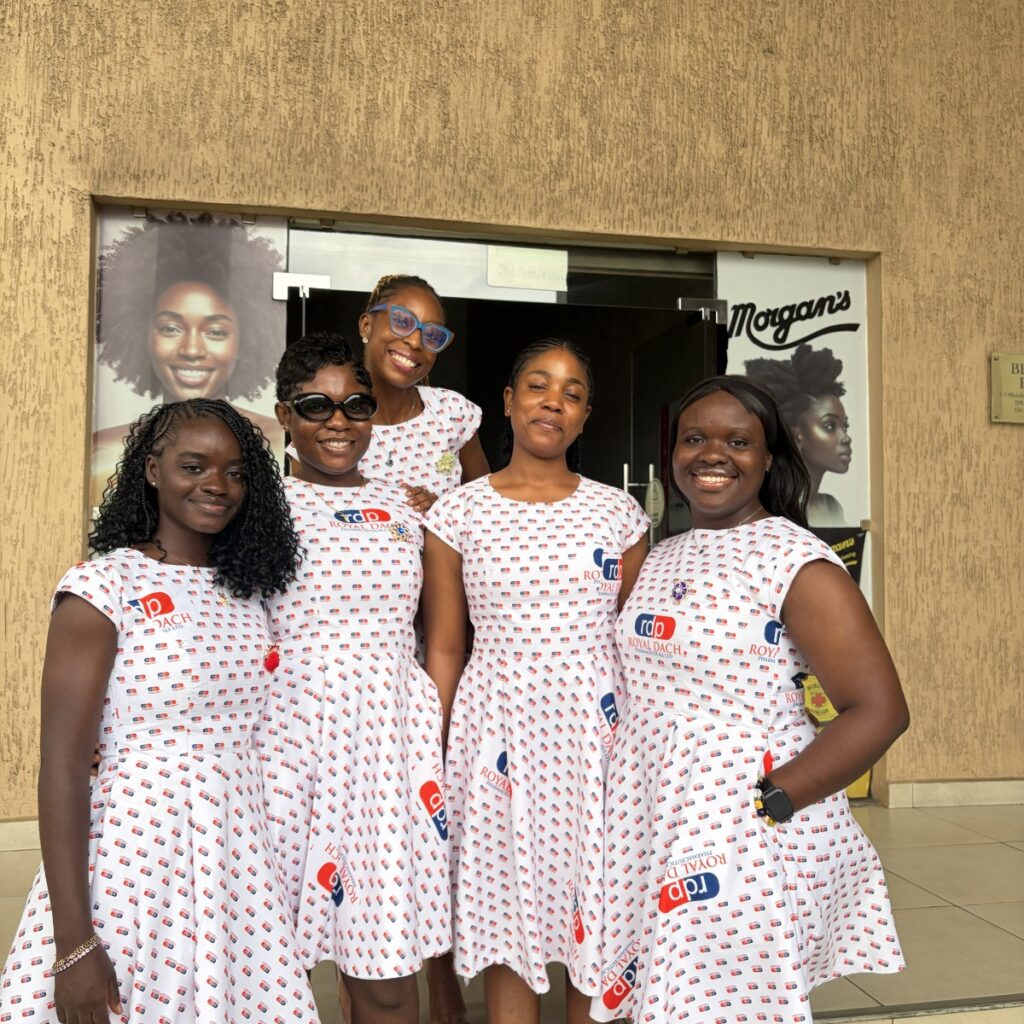
Royal Dach has, for example, demonstrated its support for Ghanaian sports through initiatives connected to the Black Stars and other sporting activities.

The company’s involvement in the 15th Africa Armwrestling Championship hosted in Accra, which brought together athletes from across Africa, also reflected its willingness to support sporting events that promote talent, competition and Ghana’s position as a destination for major sporting activities.

Creating a Culture of Community Support

Royal Dach’s CSR philosophy extends beyond individual projects.

At its heart is a belief in giving back to society and supporting initiatives that create positive social impact.

Whether through education, skills development, sports, talent promotion or community-focused initiatives, the company’s approach is increasingly centred on identifying opportunities where its resources and corporate influence can contribute to meaningful outcomes.

This is particularly significant in an environment where businesses are increasingly expected to demonstrate not only what they sell, but also what they stand for.

Six Years of Partnerships

No organisation grows in isolation.

Royal Dach Pharmaceuticals’ six-year journey at Beracah House has been shaped by the contributions of numerous partners and stakeholders.

From suppliers and clients to healthcare professionals, institutions, employees, sporting organisations and community partners, every relationship has contributed to the company’s development.

The anniversary is therefore also a celebration of these partnerships.

Royal Dach acknowledges the confidence and trust placed in the company over the years and remains committed to strengthening these relationships as it enters the next phase of its growth.
Looking Ahead: The Next Chapter

Six years is a significant milestone, but for Royal Dach Pharmaceuticals, it is not the destination.

The company is looking ahead with a renewed commitment to operational excellence, customer service, strategic partnerships, pharmaceutical distribution and responsible corporate citizenship.

As the business continues to grow, its ambition is to strengthen its position within Ghana’s pharmaceutical sector while expanding the positive impact it can make beyond the marketplace.

The next chapter will be about building on the lessons of the past six years, embracing new opportunities and creating an organisation that delivers sustainable value to its customers, partners, employees and communities.

Six Years at Beracah House — A Journey Worth Celebrating

From a pharmaceutical business operating at Beracah House to a growing corporate brand with a wider social footprint, Royal Dach Pharmaceuticals’ six-year journey is a story of growth, commitment, partnership and purpose.

The anniversary is an opportunity to celebrate how far the company has come while recognising the people and communities that have been part of the journey.

As Royal Dach Pharmaceuticals celebrates six years at Beracah House, the message is clear:

The journey continues.

With stronger partnerships, a broader vision and an enduring commitment to excellence and social responsibility, Royal Dach Pharmaceuticals looks forward to many more years of serving the pharmaceutical industry and contributing to the development of Ghana.

Royal Dach Pharmaceuticals — Six Years at Beracah House. Six Years of Growth. Six Years of Impact.

Here’s to the journey so far, and to an even greater future ahead.
high blood pressure

The Silent Surge: Why Hypertension Is Rising Among Ghana’s Youth

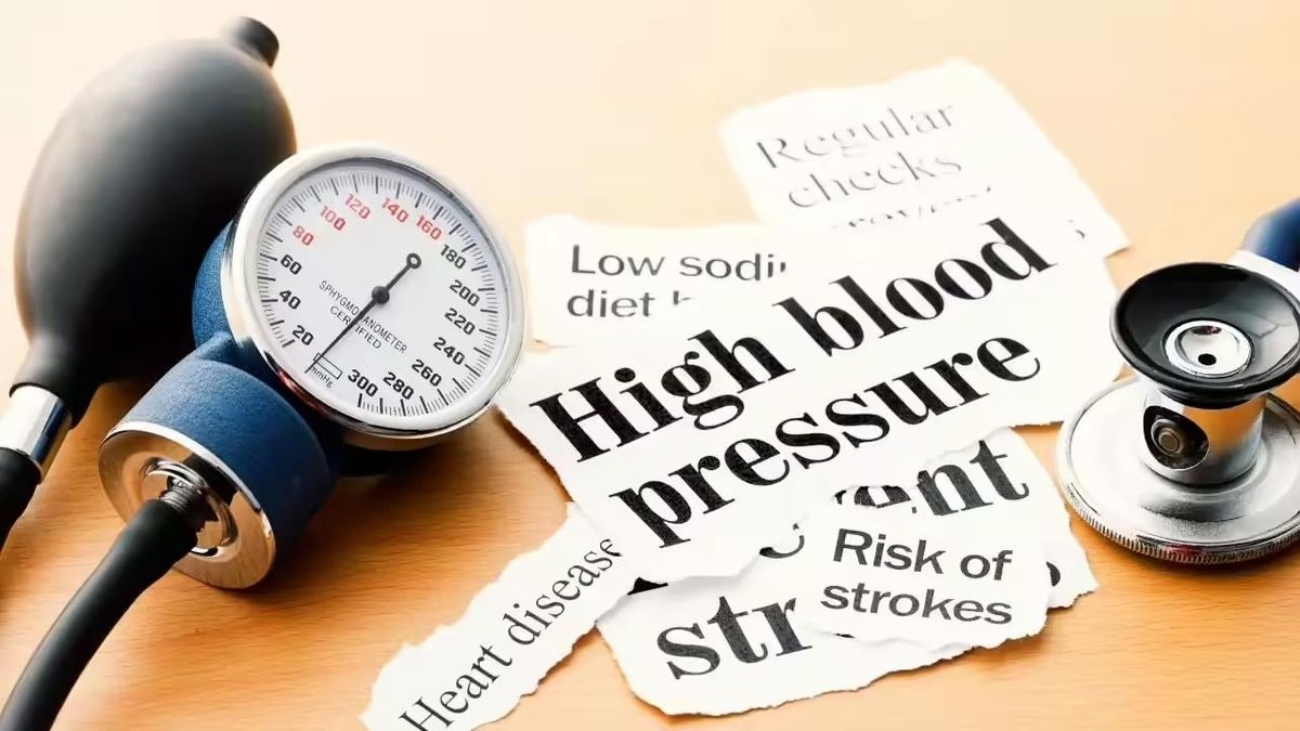
Hypertension — persistently high blood pressure — has quietly become one of Ghana’s most pressing public health challenges. Once thought of as a disease of older age, it is now showing up earlier and earlier in life, including among teenagers and young adults. What was once rare in a “youthful” population is becoming disturbingly common, and the trend deserves urgent national attention.

What the Data Says

The numbers tell a clear story of an accelerating epidemic:

  • Hypertension has grown dramatically over a generation. The Ghana Ministry of Health has reported that close to 50% of Ghanaian adults now live with hypertension, up from less than 5% a generation ago — a tenfold increase in prevalence within a few decades.
  • A large-scale meta-analysis pooling over 45,000 participants across dozens of Ghanaian studies found an overall hypertension prevalence of about 30.3%, with rates higher among men (34.0%) than women (30.1%), and notably higher in urban areas than rural ones.
  • A separate systematic review and meta-analysis covering 82,045 people put the pooled prevalence at 27%, nearly double in coastal and urbanizing zones compared to more rural northern areas — reflecting how lifestyle and urbanization are driving the trend.
  • Youth are no longer exempt. A study of adolescents in two Ghanaian districts found an overall high blood pressure prevalence of 11.6% among young people. Another study focused on urban poor youth in Accra found that 32.3% had pre-hypertension and 4% already had full hypertension — with rates markedly worse among males (6.8%) and those who were physically inactive (84.1% of the sampled youth reported little to no physical activity).
  • Awareness and control remain low across all ages. National survey data show that among Ghanaians with hypertension, only about 45.6% were aware of their condition, just 40.5% were receiving any treatment, and a mere 23.8% had their blood pressure adequately controlled. This “awareness gap” is especially dangerous for young people, who are unlikely to be screened at all unless they seek care for another reason.

Taken together, these figures show a shift: hypertension in Ghana is no longer a condition that develops gradually in old age. It is increasingly seeded early, often silently, in adolescence and early adulthood.

Why Is This Happening, Especially Among the Youth?

Several converging factors explain the rising numbers among younger Ghanaians:

  1. Urbanization and lifestyle change. As more people — especially youth — move to cities, diets have shifted toward processed, salty, and energy-dense foods, while daily physical activity has declined.
  2. Physical inactivity. Studies of urban youth in Accra found the overwhelming majority were not meeting recommended activity levels, with sedentary lifestyles strongly linked to higher blood pressure and rising body mass index (BMI).
  3. Rising obesity and overweight. BMI has been shown to be positively and significantly associated with systolic blood pressure among Ghanaian youth, meaning weight gain during adolescence is translating directly into elevated blood pressure readings.
  4. Socioeconomic and behavioral factors. Research has linked hypertension risk in young people to factors such as relationship status, phone ownership (a proxy for more sedentary, screen-based lifestyles), and district of residence — pointing to broader social and environmental influences beyond biology alone.
  5. Low awareness and infrequent screening. Because hypertension has no obvious symptoms in its early stages, and because routine blood pressure screening is not standard practice for young, seemingly healthy Ghanaians, many cases go undetected until complications arise.

Why This Trend Matters

Hypertension is often called a “silent killer” because it can quietly damage the heart, kidneys, brain, and blood vessels for years before symptoms appear. When it takes root in youth, the cumulative exposure to high blood pressure over a lifetime dramatically raises the risk of stroke, heart disease, and kidney failure — often at a much younger age than in previous generations. This threatens not only individual health but also Ghana’s healthcare system and workforce productivity, as more people face chronic illness earlier in their working lives.

Public health researchers have also flagged that Ghana’s rural-urban gap in hypertension prevalence is narrowing — meaning the disease is no longer confined to affluent, urban lifestyles but is spreading more broadly across the population.

Prevention and Control: What Can Be Done

The encouraging news is that hypertension is highly preventable and manageable when addressed early. Evidence from Ghanaian studies points to several effective strategies:

At the individual level

  • Get regular blood pressure checks, even without symptoms — awareness is the first and most critical step, given how many cases currently go undetected.
  • Stay physically active. Research among hypertensive patients in urban Accra found that even 30 minutes to an hour of physical activity was strongly associated with better blood pressure control, and more than an hour showed an even stronger effect.
  • Adopt a heart-healthy diet. Increased intake of fruits and vegetables, and reduced consumption of starch, red meat, fat, and salt, were linked to significantly better blood pressure outcomes in Ghanaian patients.
  • Limit alcohol and avoid smoking or tobacco use, both established modifiable risk factors for hypertension.
  • Maintain a healthy weight, given the strong link between BMI and blood pressure observed in Ghanaian youth.

At the health system and policy level

  • Community-based screening programs, such as the Community-based Hypertension Improvement Project (ComHIP), have brought blood pressure checks directly into neighborhoods, workplaces, and shops in parts of Ghana — an approach that could be expanded, especially to reach youth who rarely visit health facilities.
  • Task-shifting to nurses and community health workers. A cluster-randomized trial in Ghana found that a nurse-led hypertension control strategy, combining cardiovascular risk counseling with medication management, produced significantly greater blood pressure reduction than health insurance coverage alone — a cost-effective model for scaling up care.
  • Stronger national guidelines and workforce investment. Ghana has developed National Guidelines for the Management of Cardiovascular Diseases, but researchers note the country still faces a shortage of cardiologists and gaps in rural healthcare access that limit consistent follow-up care.
  • School and youth-focused health education. Given how early risk factors like inactivity and poor diet take hold, integrating blood pressure awareness and healthy lifestyle education into schools and youth programs could help interrupt the trend before it becomes entrenched.

Conclusion

Hypertension in Ghana is no longer just a disease of aging — it is increasingly a disease of youth, driven by changing diets, inactivity, rising obesity, and low awareness. The data is clear that the country is facing a rising tide, but it is equally clear that the tools to prevent and control it — regular screening, healthier lifestyles, and stronger community health systems — are well understood and already showing results where they’ve been tried. The task now is to reach young Ghanaians earlier, before silent risk becomes a lifelong burden.

WhatsApp Image 2026-06-17 at 13.48.04

Royal Dach Pharmaceuticals goes all out for the Black Stars

Proudly Ghanaian. United by Passion. Supporting Our Heroes.

As Ghana prepares to cheer on the senior national football team, the Black Stars, the spirit of patriotism continues to shine across the nation. Joining the wave of national support is Royal Dach Pharmaceuticals, a company that has demonstrated its commitment to Ghana beyond healthcare — by standing firmly behind the pride and passion of Ghanaian football.

In a show of solidarity and national pride, the team at Royal Dach Pharmaceuticals embraced the Ghanaian spirit by wearing the iconic Ghana jerseys to work, turning their workplace into a symbol of unity, encouragement, and support for the Black Stars.

The gesture reflects the company’s belief that football is more than just a game; it is a powerful force that brings Ghanaians together, inspires young talents, and creates a sense of national identity.

By proudly wearing the national colours, staff members celebrated Ghana’s heritage while sending a strong message of encouragement to the players representing the nation on the global stage.

“Supporting the Black Stars is supporting Ghana,” the initiative represents the company’s dedication to promoting national pride, teamwork, and a shared vision for success.

Beyond providing quality pharmaceutical solutions, Royal Dach Pharmaceuticals continues to champion causes that positively impact society.

The company’s involvement in community development, talent support, and national initiatives reflects its role as a socially responsible Ghanaian brand.

As the Black Stars take to the field, Royal Dach Pharmaceuticals joins millions of Ghanaians in saying:

“Go Black Stars! Bring the pride home. Ghana is behind you!”

Royal Dach Pharmaceuticals — Caring for Health, Supporting Ghana.

header.jpg

Royal Dach Pharmaceuticals Champions Strength & Unity at the 15th Africa Armwrestling Competition in Ghana

In a powerful demonstration of corporate social responsibility and continental unity, Royal Dach Pharmaceuticals is proud to support the upcoming 15th Africa Armwrestling Competition, set to take place in Accra, the vibrant capital of Ghana.

Celebrating Strength, Talent, and African Excellence

The Africa Armwrestling Championship has steadily grown into one of the continent’s most exciting sporting events, bringing together elite athletes from across Africa. This year’s 15th edition is expected to attract competitors from over 20 African nations, showcasing not only physical strength but also discipline, resilience, and sportsmanship.

Accra will serve as the perfect host city, offering a dynamic cultural backdrop and world-class hospitality as athletes, officials, and fans converge for this thrilling contest of power and endurance.

Royal Dach Pharmaceuticals: Beyond Healthcare

As a leading wholesale dealer in pharmaceutical products, Royal Dach Pharmaceuticals has built a reputation grounded in quality, reliability, and innovation within Ghana’s healthcare sector. However, the company’s vision extends far beyond medicine.

Driven by a deep commitment to societal growth, Royal Dach actively invests in:

1. Education development initiatives
2. Youth empowerment programs
3. Skill acquisition and talent promotion
4. Health and wellness advocacy
Their sponsorship of the Africa Armwrestling Competition underscores a broader mission—to support platforms that nurture talent, inspire ambition, and unite communities across borders.

Empowering Youth Through Sports

Sports remain one of the most powerful tools for youth engagement and development. By backing this prestigious continental event, Royal Dach Pharmaceuticals is helping to:
1. Provide exposure for emerging African athletes
2. Encourage healthy competition and discipline
3. Promote unity among diverse cultures
4. Inspire young people to pursue excellence in sports and beyond

Armwrestling, in particular, is gaining momentum in Africa, evolving into a recognized sport that demands not just strength, but strategy, focus, and mental toughness.

Strengthening Africa, One Initiative at a Time

Royal Dach Pharmaceuticals’ involvement in the 15th Africa Armwrestling Competition reflects its unwavering belief in building stronger communities. By aligning healthcare with sports and youth development, the company continues to play a pivotal role in shaping a healthier, more empowered Africa.

Looking Ahead

As anticipation builds for the championship in Accra, all eyes will be on the athletes who will battle for continental glory—and on organizations like Royal Dach Pharmaceuticals, whose support makes such events possible.

Through this partnership, Royal Dach is not only promoting health but also championing dreams, strengthening unity, and investing in Africa’s future.

Royal Dach Pharmaceuticals – Committed to Health, Empowerment, and African Excellence.


IMG_3090.JPG

Royal Dach Pharmaceuticals Celebrates Ghana’s Heritage and Health: Ghana Month

Every March, Ghana proudly celebrates Ghana Month, a period dedicated to honoring the nation’s rich culture, history, and achievements. Across the country, individuals, businesses, and institutions participate in activities that highlight the beauty and pride of being Ghanaian.

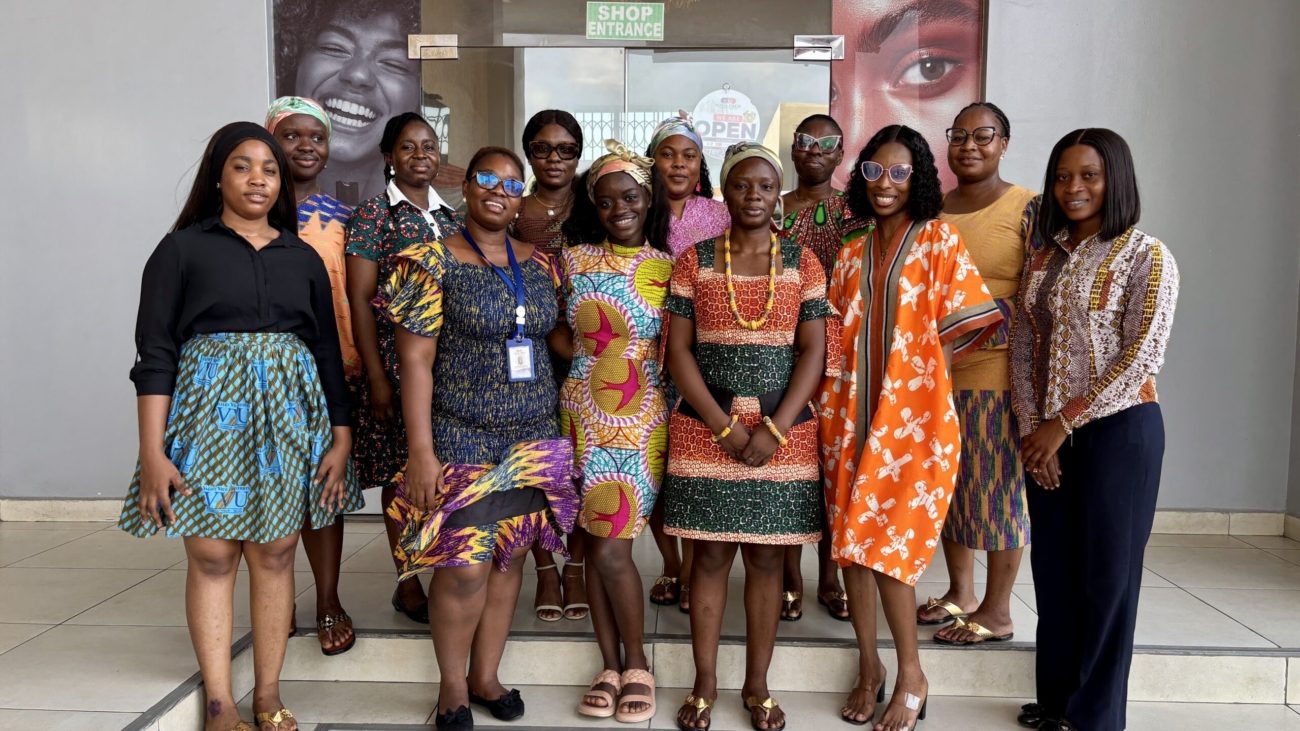
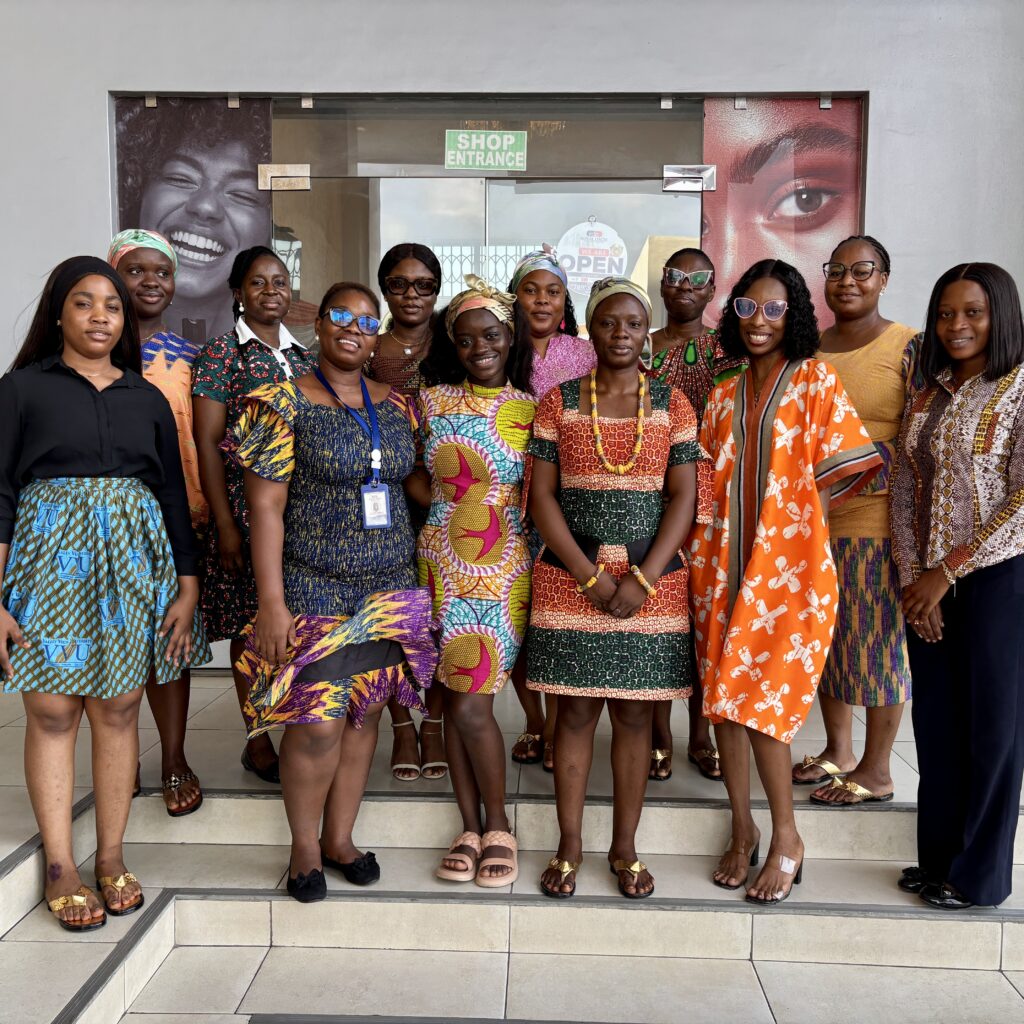
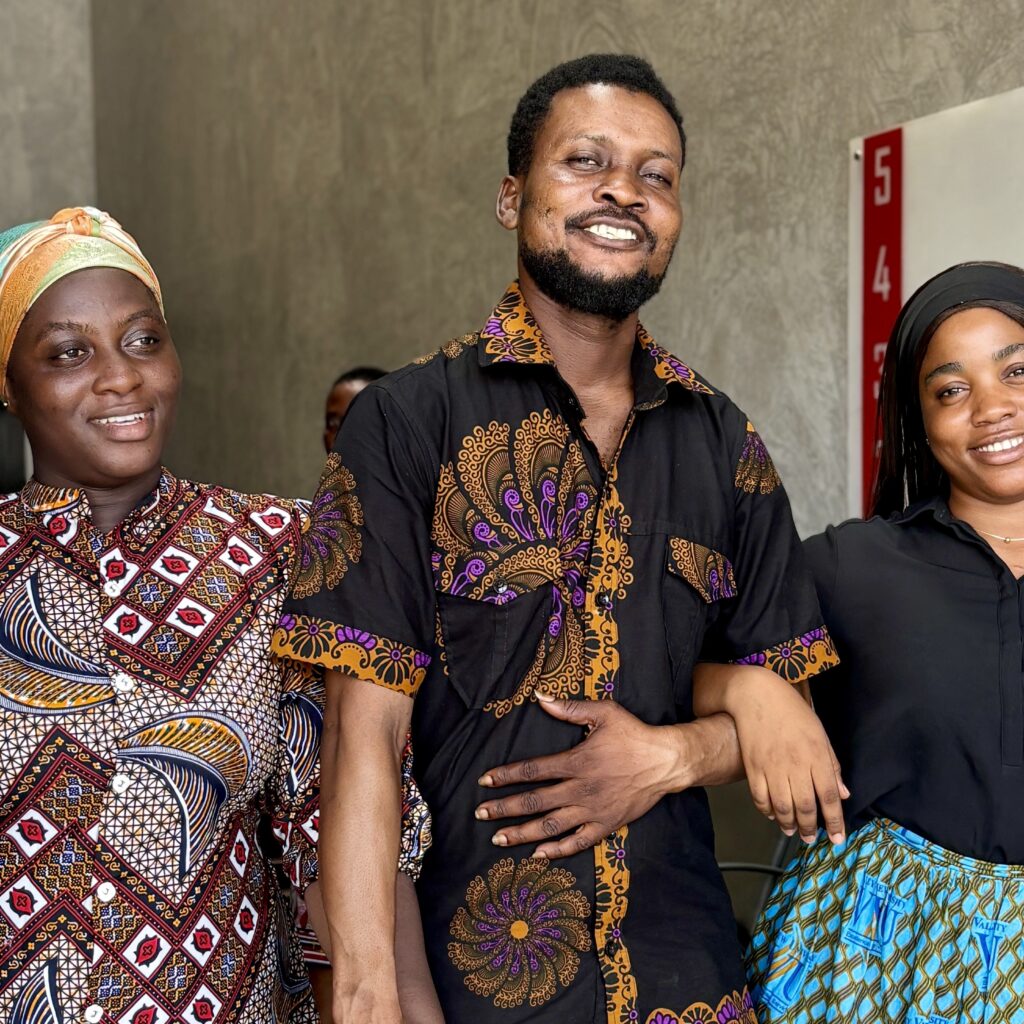
At Royal Dach Pharmaceuticals, the month of March is not only a time to reflect on our nation’s independence but also an opportunity to celebrate the rich culture, heritage, and identity that make Ghana truly unique. As part of the Ghana Month celebrations, our staff proudly commemorated the occasion by dressing in beautiful African wear, showcasing the vibrant colors, patterns, and creativity of Ghanaian fashion.


Ghana Month is a nationwide celebration held every March to commemorate the independence and cultural heritage of Ghana. The celebration is closely linked to Ghana Independence Day, observed on March 6 each year.

During Ghana Month, Ghanaians proudly showcase their culture through:

  • Traditional Ghanaian clothing
  • Local foods and cuisine
  • Cultural exhibitions
  • Educational activities about Ghana’s history
  • Community celebrations across the country


These activities help strengthen national unity and pride.Ghana Month is a time to reflect on how far we have come as a country and to celebrate the unity that binds us together.

At Royal Dach Pharmaceuticals, we believe that embracing our culture strengthens our sense of identity and teamwork within the organization.

In that regard, the office came alive with stunning prints, elegant traditional styles, and a shared sense of national pride. From bold African designs to classic Ghana-inspired outfits, each staff member expressed their individuality while honoring Ghanaian culture.

The celebration served as a reminder that beyond our daily commitment to excellence in pharmaceutical wholesale distribution, we are also deeply connected to the values, traditions, and communities that shape our nation.


As a leading brand in health promotion and quality pharmaceutical product distribution, we believe that, a strong nation depends on healthy citizens. As part of Ghana Month celebrations, Royal Dach Pharmaceuticals encourages Ghanaians to adopt healthy habits such as:

  • Eating balanced and nutritious meals
  • Drinking enough water daily
  • Exercising regularly
  • Visiting healthcare professionals for routine checkups
  • Staying informed about health and wellness
  • Avoiding self medication

These simple steps can significantly improve the well-being of individuals and families across Ghana.


As we celebrate Ghana Month, Royal Dach Pharmaceuticals encourages every citizen to take pride in being Ghanaian while prioritizing their health and well-being.

Together, we can build a stronger and healthier Ghana for future generations.

Happy Ghana Month!
Royal Dach Pharmaceuticals – Where service comes first in healthcare delivery

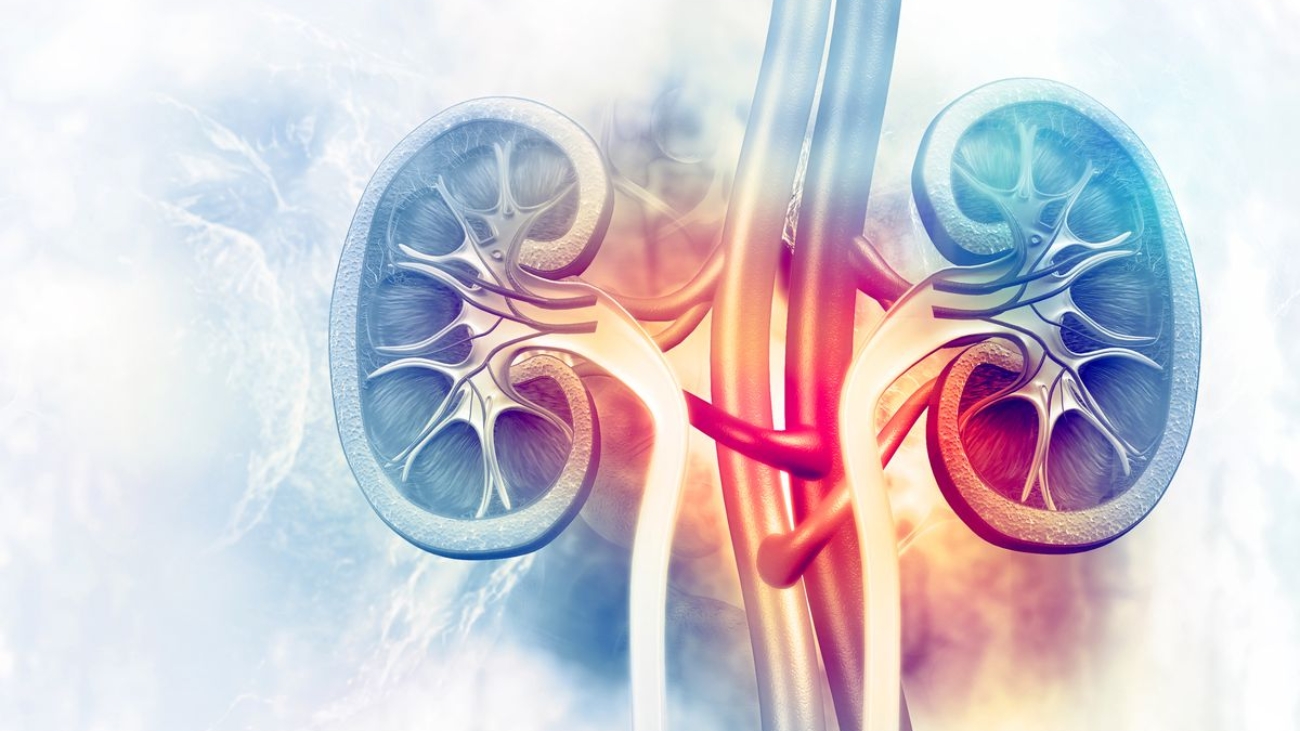
world kidney day

Kidney Health: Protecting Your Body’s Natural Filteration System

Kidneys are small but powerful organs that work around the clock to keep your body healthy. They filter waste, balance fluids, regulate blood pressure, and help produce essential hormones. Yet millions of people worldwide live with kidney problems without even realizing it.

Every year on World Kidney Day, health experts remind people that simple lifestyle changes can dramatically improve kidney health and reduce the risk of kidney disease.

In this guide, you’ll learn practical kidney health tips, warning signs to watch for, and the best habits to keep your kidneys functioning properly for life.


What Do Your Kidneys Do?

Your kidneys perform several vital tasks that keep your body in balance:

  • Filter waste and toxins from the blood

  • Maintain healthy fluid levels

  • Regulate blood pressure

  • Balance minerals like sodium and potassium

  • Produce hormones that help make red blood cells

When kidneys stop functioning properly, waste can build up in the body and cause serious health problems.

Why Kidney Health Matters

Kidney disease is often called a silent disease because symptoms may not appear until the condition becomes severe. According to global health organizations, millions of people develop chronic kidney disease every year.

The good news is that many kidney problems are preventable with the right lifestyle choices.

That’s why initiatives like World Kidney Day focus on raising awareness about prevention and early detection.

10 Essential Kidney Health Tips

Here are some science-backed habits that help protect your kidneys.

1. Stay Hydrated

Drinking enough water helps your kidneys flush toxins from the body. Aim for 6–8 glasses of water daily, though individual needs may vary.

2. Eat a Kidney-Friendly Diet

A healthy diet supports kidney function. Focus on foods like:

  • Fruits and vegetables

  • Whole grains

  • Lean proteins

  • Low-sodium meals

Reduce processed foods that contain high levels of salt.

3. Control Blood Pressure

High blood pressure is one of the leading causes of kidney damage. Regular monitoring and healthy habits can help keep it under control.

4. Manage Blood Sugar

People with diabetes have a higher risk of kidney disease. Keeping blood sugar levels stable helps protect kidney function.

5. Exercise Regularly

Physical activity improves circulation, controls weight, and reduces the risk of conditions that harm the kidneys.

Aim for at least 30 minutes of exercise most days of the week.

6. Limit Salt Intake

Too much sodium can increase blood pressure and strain your kidneys. Experts recommend limiting salt intake to less than 2,300 mg per day.

7. Avoid Smoking

Smoking reduces blood flow to the kidneys and can worsen kidney disease.

8. Use Painkillers Carefully

Frequent use of certain over-the-counter pain medications may harm the kidneys. Always follow medical advice and recommended dosages.

9. Maintain a Healthy Weight

Obesity increases the risk of diabetes and high blood pressure, both of which can damage the kidneys.

10. Get Regular Health Checkups

Routine screenings help detect kidney problems early, when they are easier to manage.

Warning Signs of Kidney Problems

Early kidney disease often has no symptoms, but later stages may include:

  • Fatigue or weakness

  • Swelling in feet or ankles

  • Frequent urination

  • Blood in urine

  • Difficulty concentrating

  • Persistent puffiness around the eyes

If you notice any of these symptoms, consult a healthcare professional promptly.

The Importance of World Kidney Day

World Kidney Day is a global health campaign dedicated to raising awareness about kidney health and reducing the impact of kidney disease worldwide.

The campaign encourages individuals to:

  • Learn about kidney disease risk factors

  • Adopt healthier lifestyles

  • Get tested regularly

  • Spread awareness within their communities

By taking part in World Kidney Day activities, people can help promote early detection and prevention.

Simple Daily Habits for Better Kidney Health

You can support your kidneys every day by following these simple practices:

  • Drink water regularly

  • Choose fresh, natural foods

  • Stay physically active

  • Avoid excessive salt and sugar

  • Monitor blood pressure and blood sugar

Even small lifestyle changes can make a big difference over time.

Final Thoughts

Your kidneys play a crucial role in maintaining overall health. By following these kidney health tips, staying informed, and participating in World Kidney Day awareness efforts, you can take meaningful steps toward protecting your kidneys for years to come.

Remember: prevention, early detection, and healthy habits are the keys to lifelong kidney health.


If you found these kidney health tips helpful, consider sharing this article to spread awareness during World Kidney Day and help others protect their kidney health.

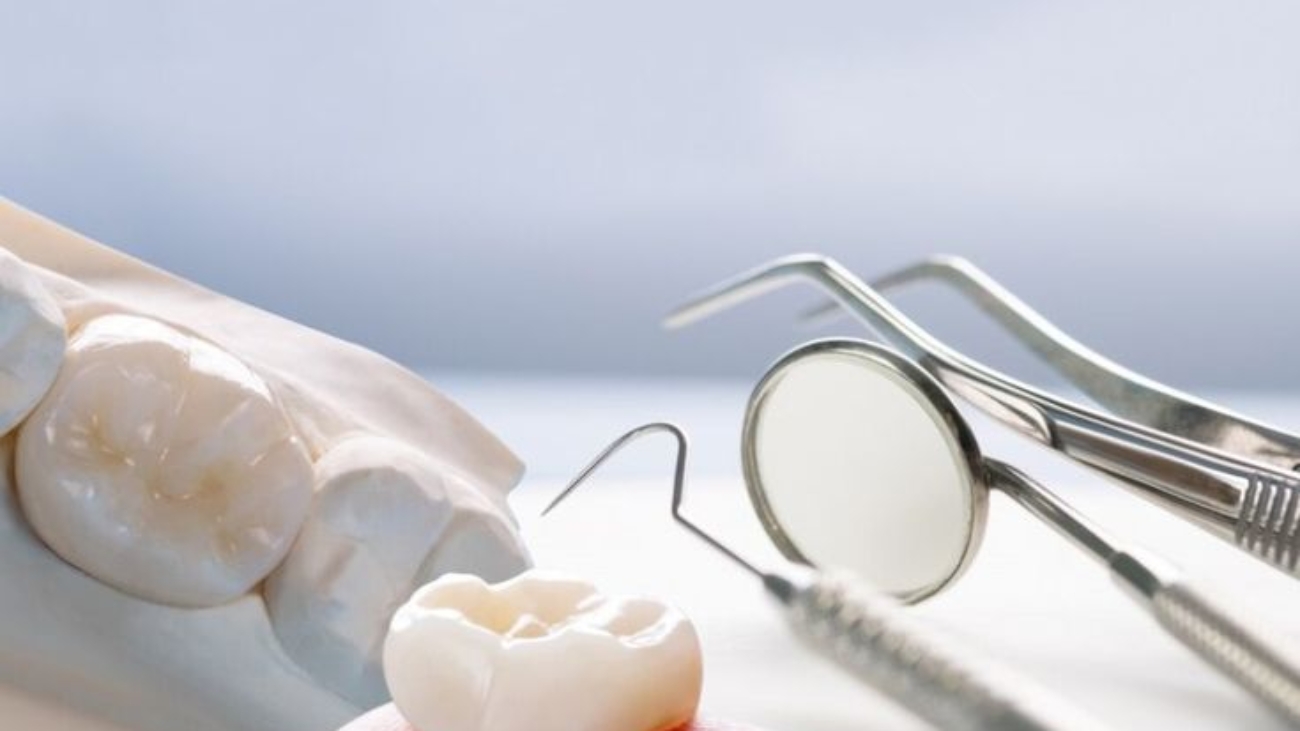
dental_hygiene

Good Dental Hygiene: A Complete Guide to a Healthy Smile

Good dental hygiene is essential for maintaining healthy teeth, fresh breath, and overall well-being. Oral health goes beyond just having a bright smile—it helps prevent cavities, gum disease, and even serious health complications linked to bacteria from the mouth entering the bloodstream. Research shows that consistent oral hygiene habits such as brushing, flossing, and regular dental check-ups are key to preventing tooth decay and gum disease.

At Royal Dach Pharmaceuticals, we believe that prevention is better than cure. Promoting good oral hygiene is a vital step toward healthier communities.

Why Dental Hygiene Matters

Poor dental care allows plaque—a sticky film of bacteria—to build up on teeth. Plaque produces acids that damage tooth enamel and can lead to cavities and gum disease if not removed regularly.

In severe cases, untreated gum disease may cause tooth loss and other health complications. Experts also note that poor oral hygiene may contribute to broader health risks such as cardiovascular disease and chronic inflammation.

Benefits of good dental hygiene include:

  • Prevention of tooth decay and cavities
  • Healthy gums and strong teeth
  • Fresh breath and improved confidence
  • Reduced risk of gum disease
  • Better overall health

Essential Daily Dental Care Practices

1. Brush Your Teeth Twice a Day

Brushing removes plaque and food particles from your teeth and gums.

Recommended brushing tips:

  • Use fluoride toothpaste
  • Brush for at least two minutes
  • Brush gently using small circular motions
  • Clean the front, back, and chewing surfaces of each tooth
  • Brush your tongue to remove bacteria

Dentists recommend brushing at least twice daily, especially before bedtime.

2. Floss Every Day

Brushing alone cannot reach the spaces between teeth where plaque and food particles accumulate.

Flossing helps remove bacteria from these areas and significantly reduces the risk of cavities and gum disease.

Flossing steps:

  • Use about 18 inches of floss
  • Slide the floss gently between your teeth
  • Curve it around each tooth in a “C” shape
  • Move it up and down to clean under the gumline

3. Use Mouthwash

Mouthwash helps clean areas of the mouth that brushing and flossing may miss. It can reduce bacteria and freshen breath.

Experts recommend using mouthwash after brushing and flossing, usually twice a day.

4. Maintain a Healthy Diet

Your diet plays a major role in oral health.

Foods that promote healthy teeth:

  • Calcium-rich foods (milk, yogurt, cheese)
  • Fresh fruits and vegetables
  • Plenty of water

Foods to limit:

  • Sugary snacks
  • Acidic drinks
  • Sticky candies

Sugary foods feed bacteria that produce acids which weaken tooth enamel and lead to cavities.

5. Visit the Dentist Regularly

Professional dental check-ups help detect problems early and keep your teeth clean.

Dentists recommend routine checkups and professional cleaning every six months for optimal oral health.

Common Dental Hygiene Mistakes

Many people unknowingly harm their teeth with poor habits.

Avoid these mistakes:

  • Brushing too hard
  • Brushing for less than two minutes
  • Skipping flossing
  • Using an old toothbrush
  • Ignoring dental check-ups

Replacing your toothbrush every 3–4 months helps maintain effective cleaning.

A Message from Royal Dach Pharmaceuticals

At Royal Dach Pharmaceuticals, we are committed to promoting preventive healthcare and supporting better oral hygiene practices.

Maintaining healthy teeth is not just about appearance—it is about protecting your overall health and quality of life. By adopting simple daily habits such as brushing, flossing, and regular dental visits, you can protect your smile for years to come.

Remember:
A healthy smile starts with healthy habits.