
 Cart is empty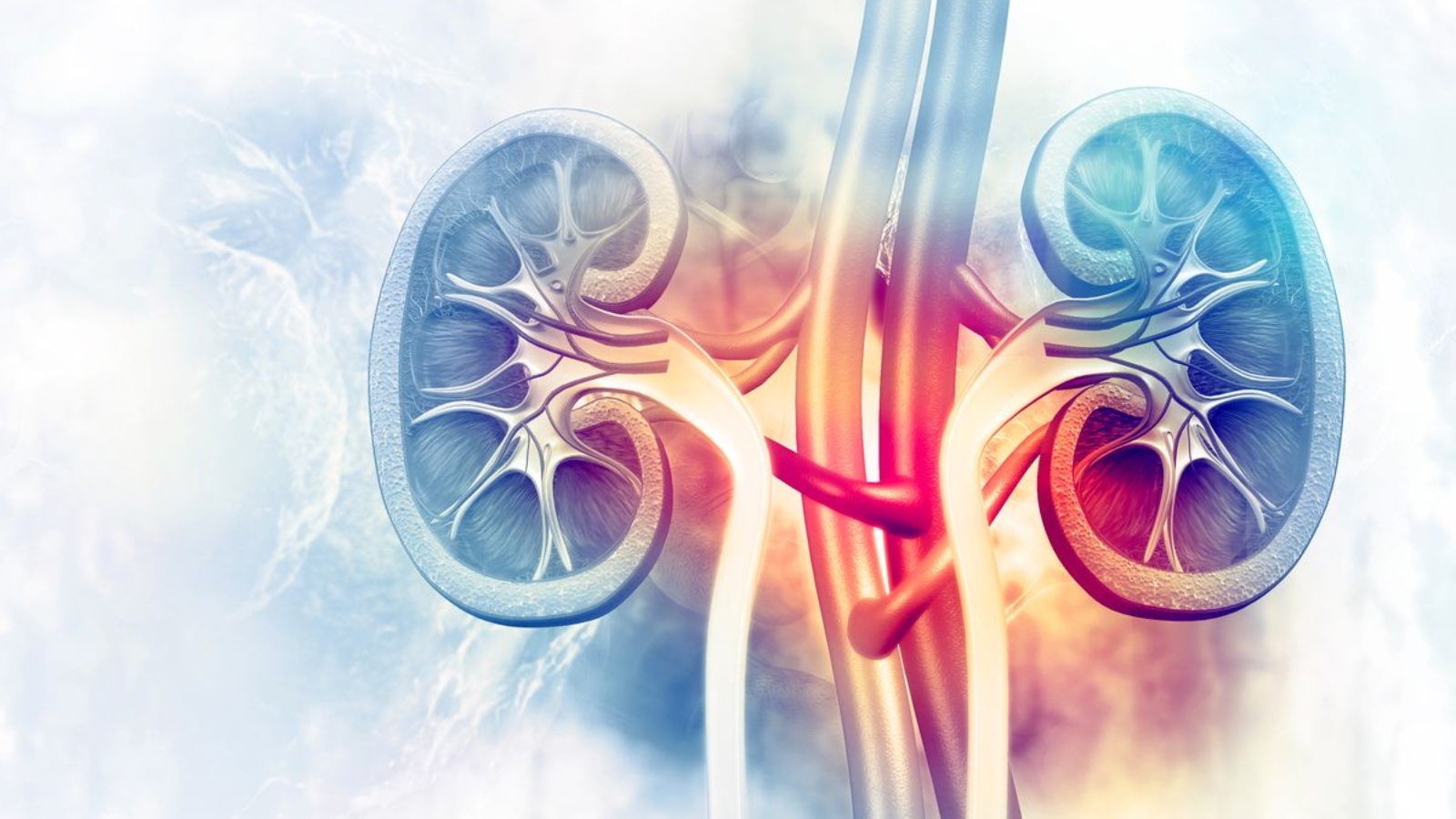
Kidneys are small but powerful organs that work around the clock to keep your body healthy. They filter waste, balance fluids, regulate blood pressure, and help produce essential hormones. Yet millions of people worldwide live with kidney problems without even realizing it.
Every year on World Kidney Day, health experts remind people that simple lifestyle changes can dramatically improve kidney health and reduce the risk of kidney disease.
In this guide, you’ll learn practical kidney health tips, warning signs to watch for, and the best habits to keep your kidneys functioning properly for life.
What Do Your Kidneys Do?
Your kidneys perform several vital tasks that keep your body in balance:
-
Filter waste and toxins from the blood
-
Maintain healthy fluid levels
-
Regulate blood pressure
-
Balance minerals like sodium and potassium
-
Produce hormones that help make red blood cells
When kidneys stop functioning properly, waste can build up in the body and cause serious health problems.
Why Kidney Health Matters
Kidney disease is often called a silent disease because symptoms may not appear until the condition becomes severe. According to global health organizations, millions of people develop chronic kidney disease every year.
The good news is that many kidney problems are preventable with the right lifestyle choices.
That’s why initiatives like World Kidney Day focus on raising awareness about prevention and early detection.
10 Essential Kidney Health Tips
Here are some science-backed habits that help protect your kidneys.
1. Stay Hydrated
Drinking enough water helps your kidneys flush toxins from the body. Aim for 6–8 glasses of water daily, though individual needs may vary.
2. Eat a Kidney-Friendly Diet
A healthy diet supports kidney function. Focus on foods like:
-
Fruits and vegetables
-
Whole grains
-
Lean proteins
-
Low-sodium meals
Reduce processed foods that contain high levels of salt.
3. Control Blood Pressure
High blood pressure is one of the leading causes of kidney damage. Regular monitoring and healthy habits can help keep it under control.
4. Manage Blood Sugar
People with diabetes have a higher risk of kidney disease. Keeping blood sugar levels stable helps protect kidney function.
5. Exercise Regularly
Physical activity improves circulation, controls weight, and reduces the risk of conditions that harm the kidneys.
Aim for at least 30 minutes of exercise most days of the week.
6. Limit Salt Intake
Too much sodium can increase blood pressure and strain your kidneys. Experts recommend limiting salt intake to less than 2,300 mg per day.
7. Avoid Smoking
Smoking reduces blood flow to the kidneys and can worsen kidney disease.
8. Use Painkillers Carefully
Frequent use of certain over-the-counter pain medications may harm the kidneys. Always follow medical advice and recommended dosages.
9. Maintain a Healthy Weight
Obesity increases the risk of diabetes and high blood pressure, both of which can damage the kidneys.
10. Get Regular Health Checkups
Routine screenings help detect kidney problems early, when they are easier to manage.
Warning Signs of Kidney Problems
Early kidney disease often has no symptoms, but later stages may include:
-
Fatigue or weakness
-
Swelling in feet or ankles
-
Frequent urination
-
Blood in urine
-
Difficulty concentrating
-
Persistent puffiness around the eyes
If you notice any of these symptoms, consult a healthcare professional promptly.
The Importance of World Kidney Day
World Kidney Day is a global health campaign dedicated to raising awareness about kidney health and reducing the impact of kidney disease worldwide.
The campaign encourages individuals to:
-
Learn about kidney disease risk factors
-
Adopt healthier lifestyles
-
Get tested regularly
-
Spread awareness within their communities
By taking part in World Kidney Day activities, people can help promote early detection and prevention.
Simple Daily Habits for Better Kidney Health
You can support your kidneys every day by following these simple practices:
-
Drink water regularly
-
Choose fresh, natural foods
-
Stay physically active
-
Avoid excessive salt and sugar
-
Monitor blood pressure and blood sugar
Even small lifestyle changes can make a big difference over time.
Final Thoughts
Your kidneys play a crucial role in maintaining overall health. By following these kidney health tips, staying informed, and participating in World Kidney Day awareness efforts, you can take meaningful steps toward protecting your kidneys for years to come.
Remember: prevention, early detection, and healthy habits are the keys to lifelong kidney health.
If you found these kidney health tips helpful, consider sharing this article to spread awareness during World Kidney Day and help others protect their kidney health.
Leave A Comment